Introduction
In the ever-evolving landscape of healthcare, making sure that clients obtain comprehensive and quality treatment is critical. One essential facet of this http://edgarqcsx624.image-perth.org/why-every-nurse-should-take-into-consideration-specialized-peg-feeding-training treatment involves enteral feeding, particularly through Percutaneous Endoscopic Gastrostomy (PEG) tubes. This approach is important for people that can not eat food by mouth because of various clinical problems. The National Handicap Insurance System (NDIS) acknowledges the relevance of specialized training in this field, emphasizing the demand for skilled specialists with the ability of supplying effective enteral feeding support. In this short article, we will certainly check out the relevance of NDIS PEG Feeding Training, look into different training programs available, and highlight methods to boost patient care with better skills.
What is PEG Feeding?
Understanding PEG Feeding
PEG feeding describes a clinical treatment that includes placing a tube directly right into an individual's stomach through the abdominal wall. This technique ensures that people who can not consume by mouth get the essential nutrition.
Why Is PEG Feeding Necessary?
Patients may require PEG feeding because of conditions such as neurological disorders, strokes, or substantial surgical treatments impacting their capability to swallow. Guaranteeing correct nutrition via this technique can substantially improve their quality of life.
Benefits of PEG Feeding
- Nutritional Support: Offers vital nutrients when dental intake is not possible. Improved Hydration: Makes sure clients continue to be moisturized effectively. Quality of Life Improvement: Help in preserving general health and wellness and well-being.
The Duty of NDIS in PEG Feeding Training
What is NDIS?
The National Disability Insurance policy System (NDIS) is an Australian federal government initiative targeted at giving assistance and services to individuals with handicaps. One important location of emphasis is boosting treatment criteria via specialized training programs.
NDIS Guidelines on Enteral Nutrition Support
Under NDIS guidelines, service providers are encouraged to use training and resources concentrated on enteral nutrition support. This includes comprehensive education and learning on PEG feeding methods, guaranteeing caretakers are furnished with the required skills.
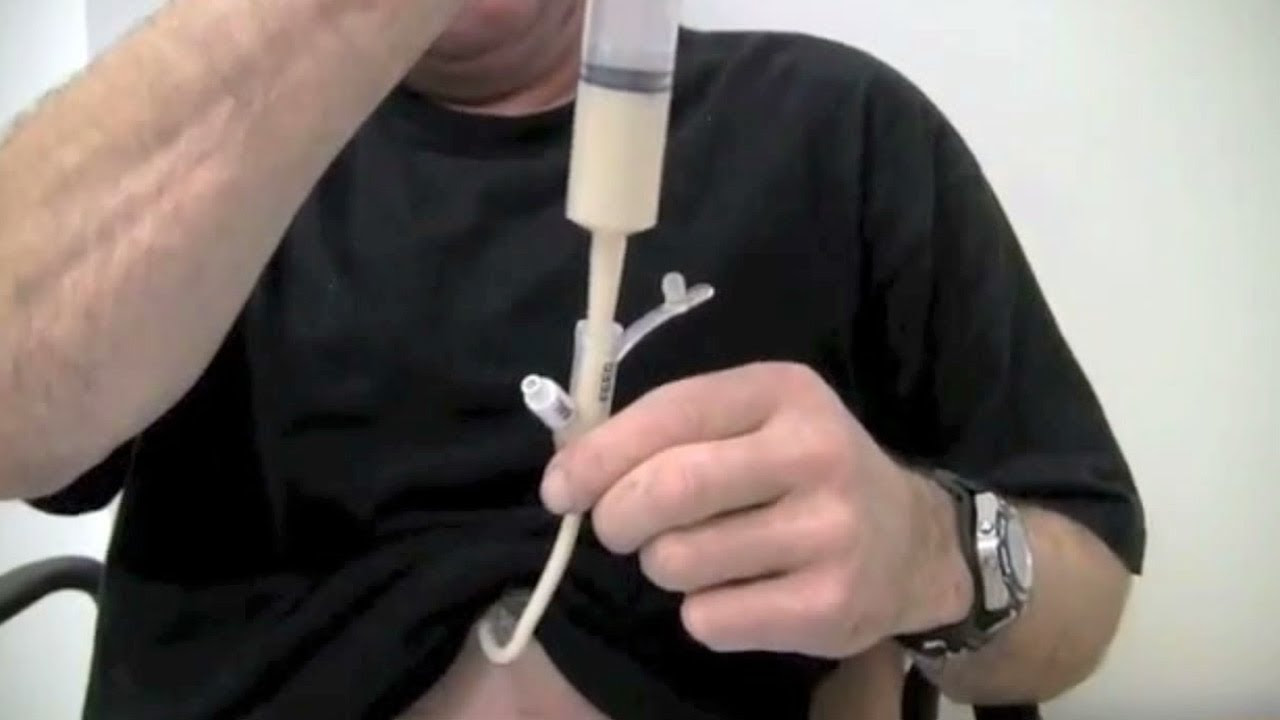
NDIS PEG Feeding Training: Enhancing Skills for Better Client Care
NDIS PEG Feeding Training is designed to give healthcare specialists with the understanding and abilities required to handle enteral feeding efficiently. By focusing on finest techniques and evidence-based techniques, this training intends to boost person outcomes significantly.
Types of PEG Feeding Training Available
Enteral Feeding Assistance Course
An Enteral Feeding Support Course provides a summary of nutritional requirements and sensible skills related to providing feed via a PEG tube. It covers:
- Types of enteral feeds Administration protocols Monitoring and troubleshooting
Enteral Feeding Training for Nurses
Specialized enteral feeding training for nurses concentrates on medical techniques necessary for safe and efficient feed administration. This includes:
- Assessing client needs Identifying complications Implementing finest methods in care
PEG Training Programs for Assistance Workers
Support employees play an essential function in person treatment; hence, specialized PEG training courses outfit them with important understanding concerning:
- Safe handling of PEG tubes Recognizing indications of distress or complications Communication strategies with patients
Key Parts of Effective PEG Training Programs
Curriculum Overview
A durable educational program ought to include:

Instruction Methods
Effective mentor approaches consist of:
- Interactive workshops Online components Practical demos
Skills Developed Via NDIS PEG Feeding Training
Clinical Abilities Enhancement
Participants acquire self-confidence in handling numerous elements connected with enteral feeding, consisting of:

- Tube placement verification Feed preparation methods Infection control measures
Communication Skills Development
Effective interaction cultivates much better connections in between caretakers and people:
- Active listening Empathy in the direction of person concerns Guidance on nutritional choices post-training
Best Practices in Enteral Nutrition Support
Regular Monitoring
Regularly examining the patient's problem aids determine potential concerns before they escalate.
Adjusting Nutritional Plans
Based on responses from continuous evaluations, changes can be made to improve nutrient shipment or address side effects.
Barriers To Efficient Execution Of PEG Feeding
Identifying barriers help in establishing options customized towards getting over difficulties faced by professionals carrying out PEG feeds, consisting of:
Lack of understanding regarding offered resources. Insufficient hands-on experience. Time restrictions impacting training participation.The Future Of NDIS PEG Feeding Training
As medical care proceeds advancing, there will certainly be a raising emphasis on specialized trainings such as those provided under NDIS efforts that concentrate particularly on enhancing client care via rigorous education programs in locations like enteral nourishment support.
FAQs About NDIS PEG Feeding Training
What is consisted of in the NDIS Peg feeding training?- The training consists of functional skills advancement, theoretical understanding concerning anatomy pertaining to digestion, evaluation strategies for surveillance clients' reactions, and hands-on technique sessions.
- Typically, conclusion times differ; however most standard programs vary from someday as much as numerous weeks depending upon deepness covered within topics.
- Yes! Upon successful completion individuals typically get certifications acknowledging their proficiency such as "Peg Feeding Certificate".
- While previous experience can be advantageous it's not required; several courses provide in the direction of beginners as well as more advanced practitioners looking refresh existing skills!
- Absolutely! Numerous credible companies provide online components making it much easier than ever before accessibility useful info pertaining to enteral nutrition support without geographical limitations!
6. How does secure training advantage clients getting care?
- Trained professionals offer safer settings resulting far better total experiences leading higher quality life end results during changes away traditional food intake techniques where applicable!
Conclusion
Investing time right into detailed training such as supplied by NDIS will not just improve private capability but will certainly also dramatically impact person care requirements throughout Australia's medical care system-- eventually cultivating enhanced health results amongst susceptible populations relying greatly upon effective monitoring strategies like those required throughout procedures entailing fix tubes! As we move forward welcoming developments within clinical fields together allow us prioritize education and learning so every specific gets ideal assistance throughout their journey!
This short article supplies an exhaustive introduction while continuing to be obtainable yet helpful-- an ideal mix suited both learners eager broaden perspectives within realm nursing techniques alongside experienced veterans desiring sharpen devices already at disposal!